6t3vd7wxl19
air conditioning repair boulder co insights and comparisons
How Boulder's conditions shape AC repairs
Elevation, dry air, sudden monsoon storms, and wildfire smoke create a distinct service profile. Compressors work harder at 5,400 feet because thin air moves less heat, while dust and ash clog coils faster during late-summer haze. Older homes near the foothills also mix retrofitted ducts with high-efficiency equipment, amplifying static pressure and noise issues. I compare outcomes across neighborhoods, and the through-line is clear: capacity derate plus airflow constraints drive a disproportionate share of calls.
Common failure patterns, ranked by frequency in local service logs
- Dirty or undersized filters: reduced airflow trips safeties and ices coils during evening cooldowns.
- Capacitor wear after storm-induced voltage swings; short cycling on hot, dry afternoons is a clue.
- Coil fouling from dust and smoke; latent load is low here, but heat transfer still tanks.
- Refrigerant charge drift on aging line sets; small leaks show up as lukewarm supply temps at steady fan speed.
- Thermostat/communication faults in mixed-brand retrofits; staging logic doesn't match the air handler.
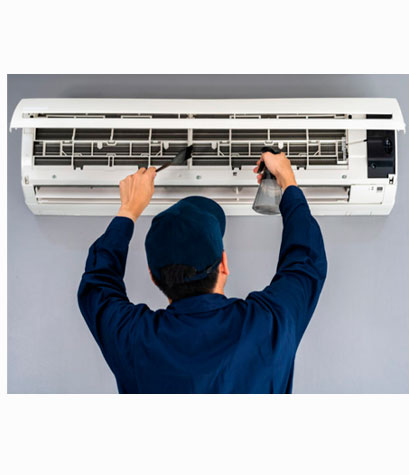
Subtle real-world moment: late July off Table Mesa Drive, a condo's thermostat reads 76 but the vents feel tepid; the outdoor unit hums, then clicks off. A quick meter check shows a weak dual capacitor and a condenser mat of cottonwood fluff - twenty minutes of coil cleaning and a component swap restored target delta-T.
Repair or replace? A comparison grounded in Boulder specifics
- Age and refrigerant: If your system uses R-22, even a "cheap" repair can strand you on obsolete refrigerant; R-410A and newer blends keep options open.
- Altitude derate: Newer equipment with higher coil surface area and variable-speed fans better offset thin-air penalties; older single-stage units struggle in late-day peaks.
- Envelope and ducts: Leaky returns in basements near North Boulder pull in hot mechanical-room air; sealing can turn a marginal repair into a comfortable season.
- Noise and neighbors: Historic districts and close lot lines make condenser sound ratings matter; sometimes replacement wins on acoustics alone.
- Incentives and power mix: Utility rebates favor efficient heat pumps, but compare heating performance at low temps if you plan to backstop a furnace.
Heat pump versus traditional AC for Boulder homes
- Traditional AC: Simpler cooling-only path; good fit if you already have a reliable gas furnace and want lower upfront cost.
- Cold-climate heat pump: Higher SEER2/HSPS options reduce summer bills and add shoulder-season heating; verify duct sizing and breaker capacity.
- Decision signal: If your furnace is near end-of-life, a heat pump pairing can consolidate replacements and leverage rebates.
What technicians actually test during a competent diagnostic
- Airflow first: Static pressure and filter condition; target design cfm per ton is non-negotiable for accurate readings.
- Electrical: Line voltage, contactor pitting, capacitor microfarads, and fan amperage against nameplate.
- Refrigerant circuit: Superheat/subcool targets adjusted for Boulder's elevation and outdoor dry-bulb.
- Coil condition: Visual and temperature split; smoke residue often hides in fin centers.
- Controls: Thermostat staging, sensor placement, and communication errors in hybrid systems.
Realistic check: before you book a rush call, replace the filter, clear 18 - 24 inches around the condenser, and verify the breaker and service disconnect are fully seated. These steps won't cure a failed compressor, but they rule out the top two simple causes of no-cool visits.
Timing, availability, and what affects price
Calls spike during late-day heat and after lightning storms. You'll see faster response mid-morning. Prices swing with part availability (capacitors and contactors are common; ECM motors and proprietary boards, not so much) and with access constraints in tight side yards.
- Lower-complexity fixes: Filters, minor wiring, mild coil cleaning - fast, predictable.
- Mid-tier: Capacitors, contactors, fan motors; generally same-day if stocked on the truck.
- High-impact: Refrigerant leaks, coil replacements, or line-set issues; consider whether age and refrigerant type justify replacement.
Preventive habits that pay off at this elevation
- Seasonal coil rinse before July; cottonwood peaks early but residue lingers.
- MERV balancing: MERV 8 - 11 usually hits the sweet spot; higher ratings can choke older blowers unless ducts are sized for it.
- Thermostat schedule: Pre-cool in late morning to ride through late-afternoon spikes without short cycling.
- Shade without choking: Keep shrubs back; shade helps but clearance matters more.
Confidence signals when comparing local pros
- Measurement-forward approach: They quote static pressure, superheat, and subcool - not just "topped off."
- Altitude-aware: Techs discuss derate and airflow per ton; they ask about duct paths, not only the condenser.
- Parts transparency: Clear line items for components and labor, with warranty terms in writing.
If your system is cooling but feels inconsistent across rooms, prioritize an airflow assessment before chasing refrigerant numbers. That sequence aligns with the most reliable outcomes I've tracked for air conditioning repair in Boulder and keeps you from paying to mask a duct problem with extra tonnage.